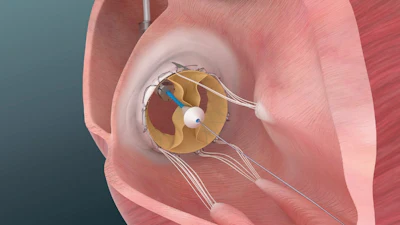
Trisol Medical, a clinical-stage medical device company developing a transcatheter tricuspid valve replacement system, today announced positive results from its FDA-approved U.S. Early Feasibility Study evaluating the Trisol Transcatheter Tricuspid Valve in patients with severe to torrential tricuspid regurgitation.
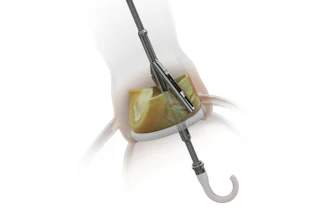
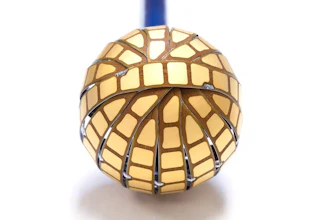
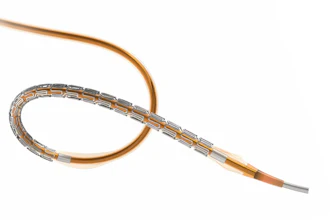
It's constructed out of nitinol frame with specially designed dome-shaped leaflet. Its design provides a solution to eliminating tricuspid regurgitation while preserving the Right Ventricle function.
The system is designed to treat severe to torrential tricuspid regurgitation (TR), a condition in which the tricuspid valve fails to close properly, allowing blood to flow backward from the right ventricle to the right atrium. Patients with this condition often have limited treatment options.
To date, 22 patients with severe to torrential TR who were considered high risk for conventional surgery have been treated at leading U.S. centers, including Piedmont Heart Institute, Vanderbilt University Medical Center, University of Virginia Health System, Columbia University Medical Center, and Cedars-Sinai Medical Center, using a trans-jugular (TJ) access approach. Enrollment in the TJ cohort is now complete, and the study is proceeding with continued enrollment using Trisol's newly developed trans-femoral access route.
Key Study Results
- Safety: Less than 5% need for permanent pacemaker at 30-day follow-up.
- Effectiveness: Considerable reduction in TR following implantation.
- Functional outcomes: At 30-day and 12-month follow-up, notable improvements were observed in quality of life (KCCQ), heart failure symptoms (NYHA class), 6-minute walk distance, right ventricular function, and cardiac output.
- Technical performance: Successful deployment of the device and no incidents of migration.