Pulse Biosciences said the FDA has granted approval for the company’s Investigational Device Exemption (IDE), allowing Pulse Biosciences to proceed with the initiation of its nPulse Cardiac Catheter Ablation System Study (NANOPULSE-AF) for the treatment of paroxysmal atrial fibrillation (PAF).
This single-arm, multicenter, prospective study is designed to demonstrate primary safety and effectiveness of the nsPFA Cardiac Catheter System for the treatment of recurrent drug-resistant symptomatic paroxysmal AF. Up to 30 sites, including three sites outside the United States, are planned to enroll up to 145 patients.
“Pulsed field ablation has already reshaped how we treat atrial fibrillation, but its full potential is just emerging. This IDE represents a critical next step—evaluating nanosecond pulsed field ablation across leading U.S. centers and select European sites to further improve safety and durable freedom from atrial arrhythmias,” said Dr. David Kenigsberg, Chief Medical Officer, Electrophysiology at Pulse Biosciences. “Unlike existing systems, which rely on microsecond energy delivery, our nanosecond PFA platform is designed to deliver meaningfully lower total energy with the potential to further reduce collateral injury to surrounding structures. Specifically designed for pulmonary vein isolation, the nPulse Cardiac Catheter has the potential to set a new standard for AF ablation.”
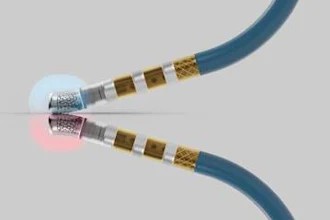
The nPulse Cardiac Catheter is designed to deliver a complete circumferential lesion in a single, brief energy application without the need to stack lesions, and eliminating the need to stop, rotate and reposition the catheter. The Company’s ongoing feasibility study in Europe with the nPulse Cardiac Catheter has now enrolled 150 patients by leading investigators with subject follow-up ongoing. Positive initial clinical outcomes support a strong foundation of real-world evidence to support broader global adoption of nsPFA treatments.