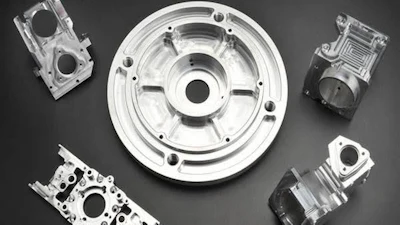
Choosing the right material is one of the most consequential decisions in medical prototyping. Material properties, including biocompatibility, sterilization resistance, mechanical strength, and wear characteristics, directly affect a prototype’s suitability for testing and eventual clinical use. Engineers must weigh these technical requirements alongside regulatory constraints and intended use cases to identify materials that will perform reliably during validation and early trials.
To make those comparisons practical and evidence-based, rapid prototyping services are needed to produce testable samples and iterate quickly. By fabricating prototypes in candidate polymers, metals, silicones, or composite blends, engineers can evaluate real-world performance, assess processing constraints, and refine material choices before committing to tooling or full-scale production. This pragmatic approach reduces risk, shortens development cycles, and ensures material decisions for medical devices are grounded in empirical results rather than assumptions.
Here we discuss suitable materials for medical prototype machining, exploring the properties and applications of common materials like PEEK, Polycarbonate, Liquid Silicone Rubber, and 3D-printed materials.
How to Choose the Correct Material
Various materials are widely used in medical prototypes; however, choosing the most suitable material for a specific application is vital. Some of the key considerations while choosing the correct material are listed here:
1. Properties
As with any prototype CNC machining service, selecting the right material for medical machined prototypes is based on the material's properties. Key properties to look out for include:
- Biocompatibility: It is the most essential property that the material must possess. Biocompatibility refers to ensuring that the material does not adversely react with living tissues in a human body.
- Sterilization: In addition to biocompatibility, the material must withstand sterilization and high temperatures without compromising its structural integrity.
- Mechanical Properties: Materials must also have high strength, flexibility and durability to withstand physiological forces. In addition to structural properties, devices with moving parts must also have wear resistance to maintain smooth operation and avoid degradation from wear.
- Chemical Resistance: Resistance to certain chemicals and liquids, such as cleaning agents or bodily fluids, is also an essential property in materials used for medical devices and surgical instruments.
2. Deciding Type of Material: Metal or Plastic
Choosing between metal and plastic depends on the prototype's application. Although metals offer enhanced mechanical properties and structural integrity, plastics are lightweight, cost-effective and easily mimic body parts in the form of implants.
Commonly used materials in medical prototyping include PEEK (Polyetheretherketone), Polycarbonate, Liquid Silicone Rubber (LSR), and 3D-printed materials (nylon, titanium, ABS).
Medical Prototypes and Suitable Materials
Each medical device requires specific materials to meet its intended use and functionality. Here are some examples of medical prototypes and the suitable materials used in their development:
PEEK (Polyetheretherketone)
PEEK is a high-performance thermoplastic polymer that is widely used in CNC prototyping of medical devices. Because it is highly biocompatible, PEEK is suitable for a wide range of medical applications, including orthopedic and dental devices and cardiovascular components. The material has high strength and tensile strength, making it comparable to human bone and suitable for load-bearing orthopedic implants. The material is also highly radiolucent, allowing visibility in medical imaging without obstruction. Because of its high-temperature resistance, it can also withstand sterilization. Additionally, its remarkable resistance to harsh chemicals and low wear contribute to prolonged device lifespan, making it a preferred choice in the medical industry.
These exceptional properties make it a versatile material for medical devices and implants. In orthopedic applications, it is commonly used to fabricate joint replacements and bone plates, providing stability and support during the post-op care period. Similarly, it is also popularly used for dental implants such as crowns, bridges, and other dentures.
Moreover, due to its biocompatibility and radiolucency, PEEK is extensively used in cardiovascular devices, illustrated by its application in heart valve components and pacemakers.
Liquid Silicone Rubber (LSR)
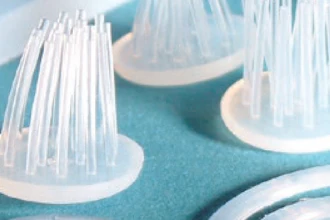
Liquid Silicone Rubber, a synthetic elastomer, is also widely used in medical applications. It has high strength and elastic properties, along with remarkable thermal, electrical, and chemical resistance. LSR is also highly biocompatible, making it suitable for applications with human body contact, including handheld devices, ventilators, pumps, and certain implants and prosthetics. The material's flexibility and resilience further enhance its suitability for applications that require soft, elastic materials.
In drug delivery systems, LSR's flexibility and biocompatibility ensure safe and efficient delivery of pharmaceuticals. Additionally, its application within ventilators enables effective and reliable ventilation support for critical patients.
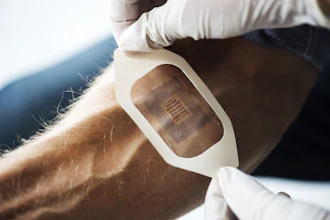
LSR is also incorporated into pumps and monitoring devices, including wearable monitoring units, because of its durability, adaptability, and sealing properties. The material is widely used to fabricate diaphragms and seals, maintaining the precision of the pumping element while keeping the device operating in a sterile environment. Moreover, due to its outstanding biocompatibility, the material is also widely used in tissue scaffolds and soft implants.
 WayKen Rapid Manufacturing
LSR is one of the fastest-emerging materials for medical prototyping, with many favorable properties for medical applications.
3D Printed Materials (Titanium and ABS)
Additive manufacturing, or 3D printing, has revolutionized medical prototyping in recent times. Various 3D-printed materials and methods are used to create medical implants and components. One such material is 3D-printed titanium, which excels in medical implants like bone plates and dentures due to its exceptional biocompatibility, mechanical properties, and durability. Although using titanium as a prototype can be expensive, it provides a fast and accurate indication of the final product.
On the other hand, ABS, a robust 3D-printed thermoplastic, is used in custom surgical guides and cardiovascular monitoring devices. Medical-grade ABS masks became revolutionary during the pandemic, as they were in high demand from hospitals and patients alike.
3D-printed materials are highly flexible and adaptable, making them extremely useful for prototyping sophisticated medical devices and components.
Conclusion
The medical device prototyping industry has advanced rapidly over time. Many biocompatible materials, such as PEEK, Polycarbonate, LSR, and 3D-printed materials like titanium and ABS, offer diverse properties that suit specific medical applications. However, with progression in the field of manufacturing processes and medical science, specialized materials such as biomimetic materials, inspired by nature and posing distinct natural properties, offer a promising future in the field. By selecting the right material for a specific application, healthcare professionals and manufacturers can continue to serve patients worldwide.