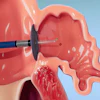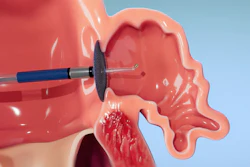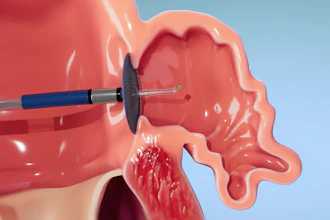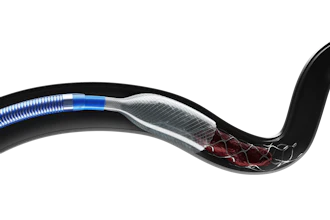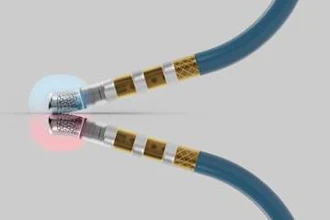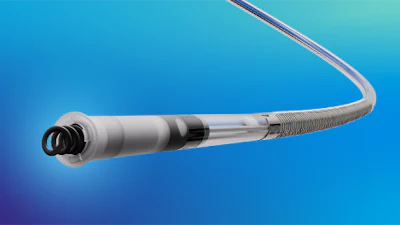
Abbott said it received FDA approval and CE Mark for the UltiSynq defibrillation lead, which is designed to deliver both conduction system pacing and defibrillation therapy.
The UltiSynq defibrillation lead has been designated as an FDA breakthrough device, a program that expedites the development and prioritizes review of medical devices that have the potential to provide more effective treatment or diagnosis of life-threatening or irreversibly debilitating conditions.
FDA approval and CE Mark of the UltiSynq defibrillation lead was supported by results from the ASCEND CSP IDE trial, a prospective, multicenter, global study evaluating the safety and effectiveness of the UltiSynq defibrillation lead in patients indicated for ICD or cardiac resynchronization therapy defibrillator (CRT-D) therapy.
Presented as late-breaking data at the Heart Rhythm Society annual meeting in April 2026, the three-month results demonstrated that UltiSynq defibrillation lead exceeded all pre-specified primary safety and effectiveness endpoints.
Key study findings included:
- Among 205 implant attempts, lead implantation was successful in 98.5% of patients.
- Leads required a mean of less than one reposition attempt per patient to identify pacing target.
- Among successfully implanted patients, 86% achieved LBBP or likely LBBP, meaning the lead stimulated or likely stimulated the heart's natural conduction pathway. The remaining 14% had left ventricular septal pacing. Together with LBBP, these approaches constitute LBBAP.
- The three-month major complication-free rate was 97.5%, exceeding the pre-specified safety performance goal.
- In the 120 patients who completed defibrillation testing, successful defibrillation was observed in 100%. No lead repositioning was required to achieve defibrillation.
UltiSynq is built on an ICD lead platform with true bipolar sensing, which uses two closely spaced electrodes within the lead to accurately detect the heart’s signals from the ventricles. It incorporates a short shock coil designed to support positioning precision. UltiSynq's ease of implantation is designed to deliver CSP benefits, working with the heart's natural electrical wiring system for a coordinated heartbeat, while its true bipolar sensing may help reduce susceptibility to P-wave oversensing, which occurs when a device mistakes the upper heart's signal for a lower chamber beat and could trigger unnecessary therapy.
“UltiSynq represents an important advance as Abbott continues to build a comprehensive cardiac rhythm management portfolio,” said Randel Woodgrift, senior vice president of Abbott’s cardiac rhythm management business. “Physicians now have a compelling option for conduction system pacing in patients who also need ICD or CRT-D therapy. UltiSynq extends physiologic pacing to patients who require both rhythm management and defibrillation protection.”