Phantom Neuro, a company developing minimally invasive neural interfaces for prosthetic control, said it has received approval to conduct its first-in-human Early Feasibility Study (EFS), called CYBORG, of the Phantom X system in Australia.
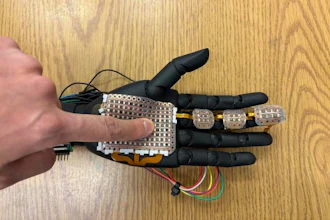
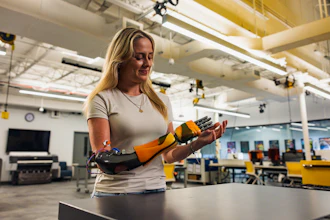
The study will evaluate the safety, efficacy, and usability of Phantom X, Phantom Neuro's proprietary muscle–machine interface designed to enable individuals with limb loss to control prosthetic hands and robotic devices through natural movement.
The Early Feasibility Study will enroll up to 10 upper limb, below the elbow unilateral, amputee participants and will be conducted in Melbourne, Australia, with surgical procedures performed at Cabrini Health and prosthetic care and rehabilitation provided by ProMotion Prosthetics and Enable Rehab.
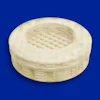
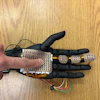
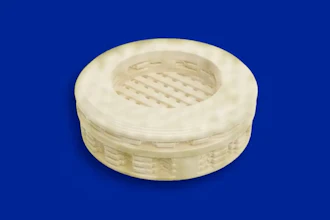
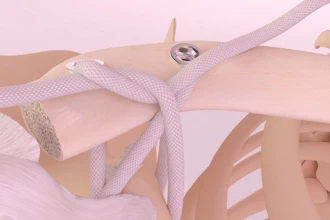
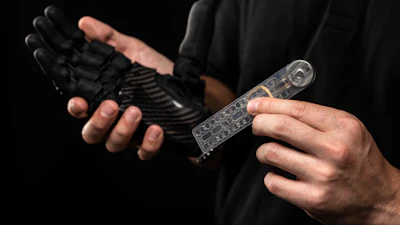
The Phantom X Control System includes a small, implantable sensor array placed under the skin in residual limb that interprets neuromuscular activity generated by muscles and translates it into precise robotic limb movement. It captures electrical signals without touching the nervous system, enabling intuitive control while avoiding the risks associated with more invasive technologies.
Participants in the study will undergo a single outpatient, same-day implantation procedure, followed by approximately two weeks of recovery before being fitted with a Phantom X compatible prosthetic device. Each participant will then be evaluated over an approximately 20-week study period.