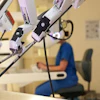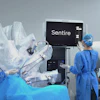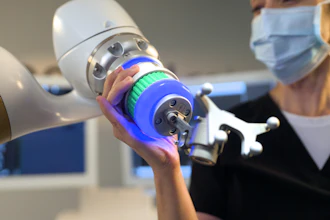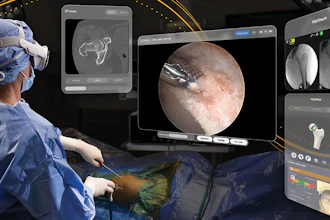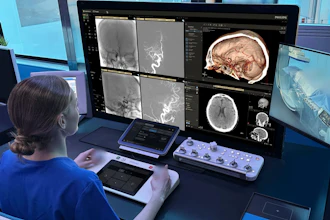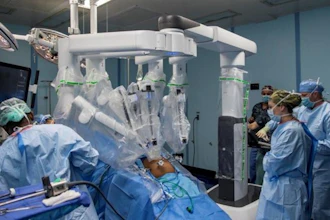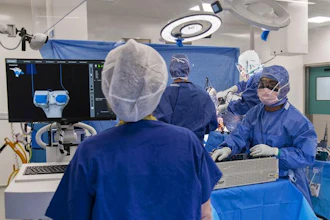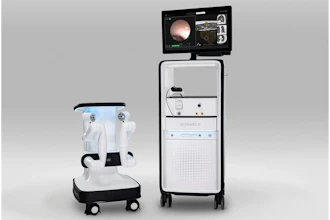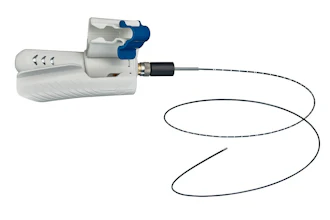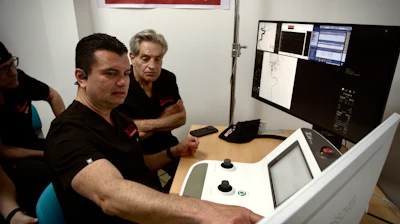
XCath, a medical device company advancing neuro-endovascular surgical robotics, today announced the successful completion of the world’s first telerobotic stroke procedure in a clinical investigation termed Operation Robo Angel.
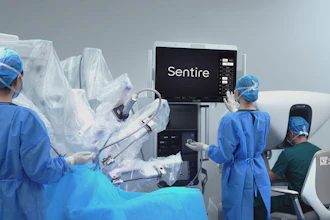
The remote robotic mechanical thrombectomy was performed using the XCath Iris Surgical Robotic System by neurosurgeon Vitor Mendes Pereira, M.D. in Clinica Norte in Santiago, Panama, more than 200 kilometers (120 miles) from the patient in Panama City. Local neurosurgeon, Anastasio Ameijeiras Sibauste, M.D. and robotic technologist Nicole Cancelliere were with the patient at The Panama Clinic.
A male patient in his late 60s presenting with acute stroke symptoms initially arrived at a referring hospital, where diagnostic imaging confirmed a large vessel occlusion (LVO) of the left middle cerebral artery (M1 segment). The patient was rapidly transferred to the primary treatment center (The Panama Clinic), where he was assessed with a National Institutes of Health Stroke Scale (NIHSS) score of 21, indicating a severe stroke and a high likelihood of death or devastating disability without rapid intervention. Upon arrival, the patient was immediately taken to the operating suite for telerobotic endovascular treatment. Total transfer time between sites was approximately 15 minutes. During transport, the onsite clinical team prepared the procedure room with the Iris System and established connectivity with the remote clinical team and remote operator.
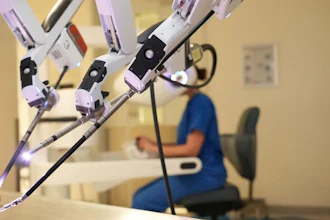
Using the Iris System, the remote operator robotically navigated therapeutic devices through the intracranial vasculature to the site of occlusion. Mechanical thrombectomy was performed with the combined technique utilizing a stent retriever and balloon occlusion with dual aspiration. The clot was successfully removed on the first pass, achieving complete reperfusion of the affected vessel with a modified Thrombolysis in Cerebral Infarction (mTICI) score of 3 at the conclusion of the telerobotic thrombectomy procedure. The patient was evaluated after the surgical procedure and showed improvement in both general condition and neurological functions. At 24 hours, the patient continued to progress, with a score of 2 on the NIHSS. The patient is expected to make a complete recovery.
In May 2024, XCath conducted the world’s first public demonstration of a simulated remote mechanical thrombectomy, with Dr. Pereira operating from Abu Dhabi on a simulated patient in South Korea. In February 2025, XCath performed the world’s first telerobotic mechanical thrombectomy on an animal model.
Following the successful first-in-human brain aneurysm procedures completed in November 2025, this historic mechanical thrombectomy further solidifies XCath’s position as the global leader in endovascular robotics.