Urologic Design, a start-up developing devices for urology care, recently announced the closing of a $1.2 million pre-seed round to commercialize its first product.
The funding will help the company advance its first product, a patented medical device for managing urinary incontinence (UI). It will also allow the team to translate its prototype for manufacturing and prepare for its first-in-human study.
CEO Henry Ritter began building Urologic Design during his joint MBA/MEM degree at Yale alongside co-founders Dr. David Hesse, a urologist at the Yale School of Medicine, and Barry Nalebuff, an economist and serial entrepreneur on the SOM faculty.
“Before meeting David, I knew very little about UI, but I have since learned how debilitating a condition it is,” Ritter said. Patients interviewed say UI affects nearly every aspect of their lives, including their ability to work, travel, exercise, and socialize.
The condition also carries a large environmental cost. Absorbent products like adult diapers and pads are the most common solution to UI – and those products accumulate in landfills. In developed countries, they are among the largest single municipal waste streams by weight and make up a larger waste stream than baby diapers. Urologic Design believes its device can improve patients' quality of life and significantly reduce that waste.
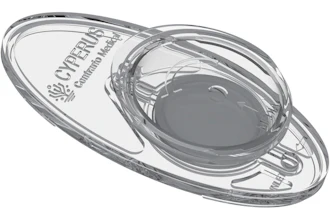
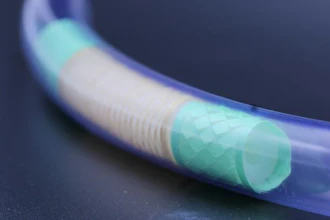
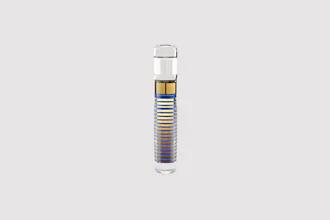
Urologic said its device, which is small than a Tic-Tac, is designed to be inserted about 1 cm into the tip of the urethra, where it then expands to prevent leaks. "Once you feel to urge to void, simply squeeze gently to compress the device, then remove it using the durable string. Dispose of the used device and urinate like normal," the company said on its website.
Ritter arrived at Yale focused on early-stage entrepreneurship, especially lab-to-market work. Throughout his degree, he looked for promising technologies that Yale faculty were developing. Eventually he met Hesse, who had already done some initial engineering work and secured IP. Along with Nalebuff, the three began evaluating the technology's commercial potential.
“Along the way, it became clear that it was an interesting business and one that we could fundraise for,” Ritter said. “At that point, everything lined up because I could actually create a job for myself, solve pressing patient needs, and produce a positive environmental impact.”