Starlab Space, the commercial space station developer expanding access to low Earth orbit research, today announced a partnership with Auxilium Biotechnologies.
Auxilium will provide orbital 3D bioprinting and biofabrication capabilities aboard the Starlab space station to support advanced research, device development and manufacturing workflows in regenerative medicine, implantable medical technologies and complex tissue engineering applications.
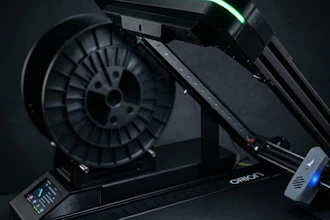
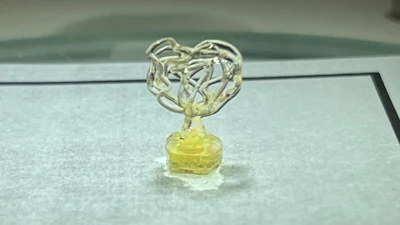
Auxilium’s proprietary AMP-1 3D bioprinter has demonstrated the mass production of implantable medical devices and other complex structures, such as perfusable blood vessels, in microgravity aboard the International Space Station.
“3D printing in microgravity enables tissue architectures and material properties not achievable under standard 1g manufacturing,” said Isac Lazarovits, director of engineering at Auxilium. “This biomanufacturing facility on board the future Starlab space station will expand access to low Earth orbit, lower barriers for industry and academia, and enable high-impact research and manufacturing that will benefit Earth.”