Medtech startup Paltech said it is developing the first treatment that could enable a prolonged remission in type 2 diabetes (T2D) and obese patients.
Paltech’s implant is designed to treat the root cause of T2D and obesity. People with these conditions have impaired glucose sensing in their portal vein, the main blood vessel that carries blood from the gut to the liver. Therefore, the brain has insufficient information about glucose entry after a meal, and insulin secretion is no longer adequate, generating recursive and ultimately detrimental large glucose fluctuations.
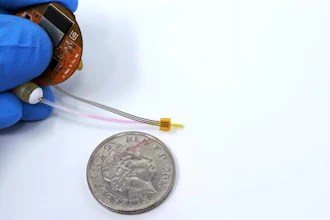
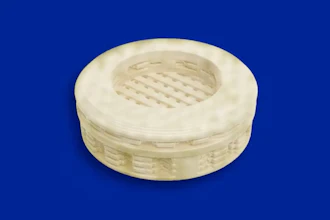
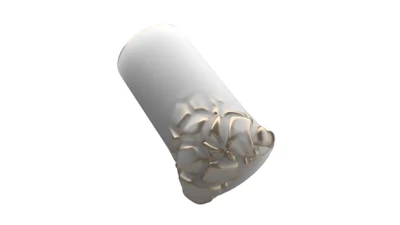
Paltech’s CSO and co-founder Professor Malbert said he found a way to solve the deficient portal sensing mechanism so that the glucose signaling, at the portal vein, is back on track. The company has translated this finding into an implant for the portal vein, that gradually and precisely releases an active molecule targeting this sensing mechanism. The small (1.5cm x 0.5cm) silicone implant is inserted via laparoscopic surgery in a simple, minimally-invasive procedure which takes less than 10 minutes.
Five pre-clinical studies involving 61 diabetic obese minipigs have shown that 4 weeks after implantation glucose metabolism returns to normal function. The pigs were effectively cured of diabetes and obesity, with effects sustained beyond 12 months, despite the maintenance on detrimental feeding. Based on these preclinical results, remission in humans is projected to last up to five years.
Study results have been presented to the scientific community, and this year the company was selected as a semifinalist for the ADA (American Diabetes Association) 2026 Innovation challenge. Paltech is now raising funds to conduct an Investigational New Drug (IND) Application with the US Food and Drug Administration (FDA) in 2027 and to achieve its first-in-human clinical readout in 2028.
Paltech owns 6 patent families covering the overall principle, the implant, the implantation devices and the patient-specific AI-guided workflow.