Miach Orthopaedics, developer of the BEAR Implant for anterior cruciate ligament (ACL) restoration, announced publication of new two-year results a study demonstrating low ACL retear rates and excellent patient-reported outcomes in real-world clinical practice.
The publish results arrive after more than 10,000 patients have been treated with the BEAR Implant in the U.S. since commercial launch.
“These two-year outcomes reflect real-world use of the BEAR Implant after its commercial release, and they show low retear rates across a broader range of patients than the original trials studied,” said Jocelyn Wittstein, MD, lead author of the Bridge Registry two-year analysis, in a statement. “The registry includes younger patients at high risk and older patients at lower risk. Seeing low rates of retear and continued improvement in patient-reported outcomes through two years gives surgeons greater confidence as they counsel patients and select candidates for ACL restoration.”
While the BEAR Implant itself has remained unchanged since commercial launch, the study documents how the BEAR Implant procedure has evolved through commercial experience. Surgeons have increasingly adopted modified approaches involving different fixation methods, stronger sutures and alternative suture patterns.
The BEAR Implant rehabilitation protocol has also evolved based on surgeon and physical therapist experience, with refinements designed to support healing while helping patients safely progress toward their functional goals. A central focus of the refined protocol is guiding each patient’s progression toward return to activity at a pace that supports the healing ligament. Most patients in the Bridge Registry who played sports before their injury returned to play, with 87.2% back in sport by two years, underscoring why a measured return matters.
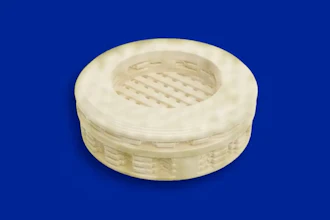
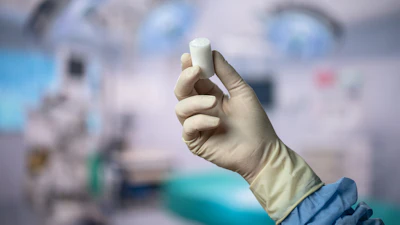
The BEAR (Bridge-Enhanced ACL Restoration) Implant was first granted De Novo Approval from the FDA in 2020. Its proprietary collagen-based implant enables the body to heal its own torn ACL.
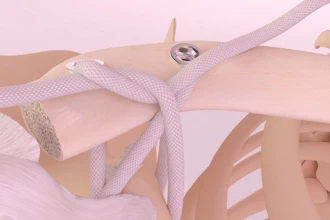
Unlike ACL reconstruction (ACLR), which is the current standard of care, the BEAR Implant does not require a second surgical wound site to remove a healthy tendon from another part of the leg or the use of a donor tendon. The BEAR Implant acts as a bridge to help ends of the torn ACL heal together. The surgeon injects a small amount of the patient’s own blood into the implant and attaches it between the torn ends of the ACL in a minimally invasive procedure. The combination of the BEAR Implant and the patient’s blood enables the body to heal the torn ends of the ACL back together while maintaining the ACL’s original attachments to the femur and tibia. As the ACL heals, the BEAR Implant is resorbed by the body.