Freenome, an early cancer detection company developing blood-based screening tests, today announced that the FDA has granted Breakthrough Device Designation to SimpleScreen Lung, the company’s investigational lung cancer screening test.
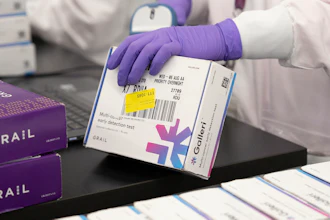
The designation applies to the proposed use of SimpleScreen Lung in adults ages 50 to 80 who have at least a 20 pack-year smoking history and are not currently participating in guideline-recommended lung cancer screening. The test, which would be ordered by a healthcare provider, is designed to detect early signals of lung cancer in a blood sample from a standard blood draw.
The FDA Breakthrough Devices Program is intended to accelerate the development and review of medical devices that provide more effective treatment or diagnosis of life-threatening or irreversibly debilitating diseases and meet other criteria. The program offers Freenome the opportunity for interactive communication and prioritized review during the premarket submission process.
By offering a non-invasive blood test, Freenome aims to help patients and providers overcome some of those obstacles and make lung cancer screening easier and more accessible.
"The Breakthrough Device Designation from the FDA recognizes the substantial unmet need for lung cancer screening and accelerates our path to bring SimpleScreen Lung to patients," said Freenome CEO Aaron Elliott, Ph.D., in a statement. "By identifying high-risk individuals who would benefit from LDCT, we believe our test will complement the current standard of care and improve detection rates. We continue to advance the clinical work necessary to submit SimpleScreen Lung for FDA review."
The development of SimpleScreen Lung builds upon Freenome’s base-level methylation and next-generation sequencing platform, which is the technology underlying the FDA approval last month of the SimpleScreen CRC colorectal cancer screening test. SimpleScreen Lung incorporates multiomics through methylation and proteomics technologies with an AI/ML-powered classifier to determine whether a lung cancer signal has been detected.
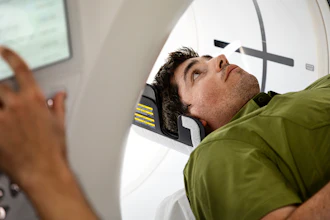
Under the proposed indication, a positive result means the test detected a signal that may suggest lung cancer and should be followed by LDCT imaging. A negative result means the test did not detect a lung cancer-associated signal, but it does not guarantee the absence of lung cancer. Healthcare providers should determine appropriate follow-up for each individual.