The Terasaki Institute for Biomedical Innovation announced today that OnVagus, a medical device company incubating at the Institute, has received institutional and regulatory approval to begin the first human trial of its noninvasive nerve-stimulation device for patients experiencing cancer-related wasting.
Cachexia, a severe and progressive wasting syndrome marked by unintentional weight and muscle loss, affects many patients with advanced cancer, and cannot be reversed through nutrition alone. In patients with metastatic pancreatic cancer, cachexia is common and can limit how long patients are able to continue chemotherapy. Up to half of all cancer deaths are attributable to cachexia, and no FDA-approved therapies exist, resulting in a major unmet need.
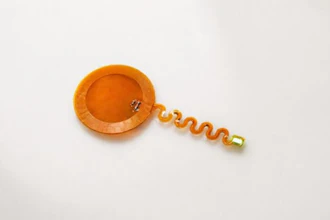
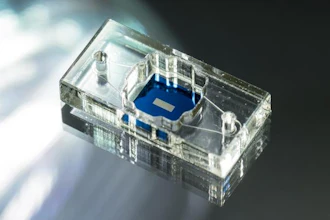
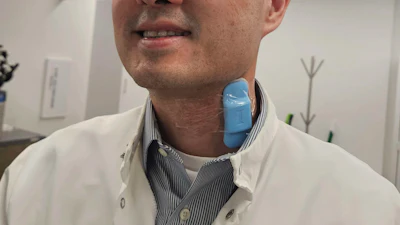
The OnVagus device delivers noninvasive electrical stimulation through the skin to modulate the vagus nerve, a major nerve pathway connecting the brain to organs including the gut and liver. The approach and its underlying mechanism were described last year in a preclinical study published in the journal Cell, which established the scientific rationale for testing the device in patients. It is described as the first transcutaneous vagal block device designed for human use.
“This device lets us modulate the vagus nerve without surgery or implants, giving us a new way to intervene in the pathobiology driving cachexia,” said Terasaki Fellow and Co-Founder of OnVagus, Dr. Aliesha O’Raw. Moving from our preclinical work into a first human trial is an important step in finding out whether this approach can help patients.”
The trial will start with a safety lead-in trial enrolling 10 pancreatic cancer patient with cachexia at MD Anderson Cancer Center, with the first patient expected to enroll in October. Over eight weeks, the study will assess the device's safety and usability as its primary outcome, with secondary measures including preliminary relief of cachectic symptoms and biomarkers such as liver function, and exploratory measures of progression-free and overall survival. The trial is supported by funding from the National Cancer Institute's SBIR program, an NIH R01 award to MD Anderson, the American Cancer Society, and BrightEdge.
“This trial reflects exactly the kind of translation we want to see, from a fundamental discovery in the lab to a technology being tested in the clinic to help patients,” said Dr. Xiling Shen, Acting Director, Terasaki Institute for Biomedical Innovation.
If the initial safety and usability results are positive, with no serious adverse events, the team will launch a year-long, 120-patient randomized, double-blind trial comparing the active device to a sham device. That study's primary outcome would be a composite of extended time on chemotherapy and reduced cachectic weight loss, with secondary measures of activity, mood, and muscle retention, and exploratory measures of liver function and neurotransmitter levels. If successful, the approach could give patients with metastatic pancreatic cancer a noninvasive option to help preserve strength and quality of life during treatment and potentially extend survival. The work reflects the Terasaki Institute's mission to move practical, translational technologies from the laboratory into real-world patient care.