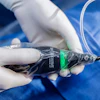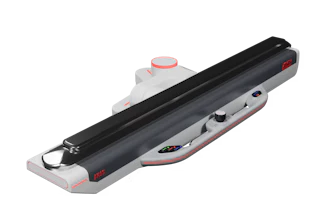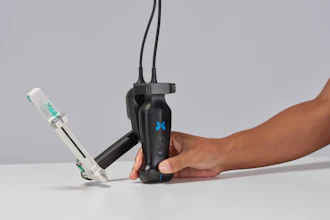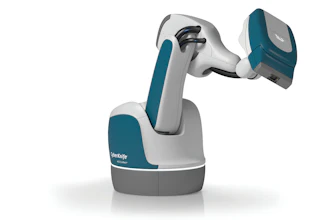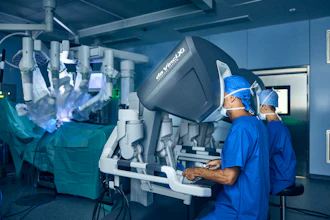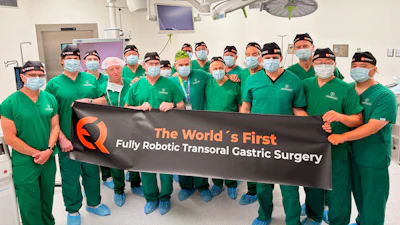
EndoQuest Robotics today announced the successful completion of two robotic gastric reconstruction procedures performed entirely through the mouth, using the company’s Endoluminal Surgical (ELS) System.
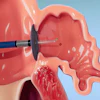
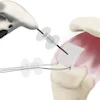
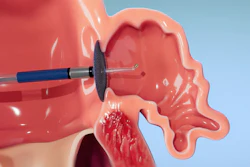
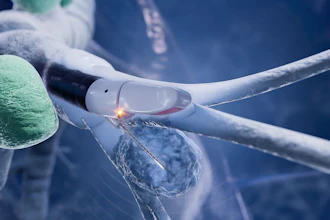
The procedures mark the world's first fully robotic transoral gastric procedures and the first clinical use of the ELS System in the upper gastrointestinal (GI) tract. The approach involves using robotic instruments passed through the mouth to reconstruct stomach tissue from within, without external incisions. The robotic transoral gastric reconstruction approach is the first in a planned series of next-generation procedures EndoQuest is developing to expand the potential applications of flexible robotic surgery. It allows physicians to independently control two robotic instruments inside the stomach without the need for external incisions, enabling more precise suturing of stomach tissue.
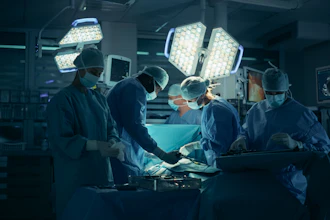
The procedures were performed at The Panama Clinic in Panama City, Panama, led by Dr. Todd Wilson, with local principal investigator Dr. Richard Altieri Pérez. Dr. Wilson serves as EndoQuest Robotics’ Chief Medical Officer and Chairman of the International Advisory Board and is Professor of Surgery at McGovern Medical School at UTHealth Houston. Dr. Altieri is a general surgeon at The Panama Clinic who specializes in minimally invasive and robotic surgery, with a particular focus on bariatric and metabolic procedures.
“These cases demonstrate a fundamentally new robotic endoluminal gastric reconstruction,” said Dr. Wilson. “We can bring basic surgical technique directly to the target, without external incisions. This opens up vast opportunities to conduct direct, durable interventions that aren’t practical or even possible today. It was especially meaningful to be joined in Panama by Drs. Fred Moll and Santiago Horgan, whose pioneering work helped shape the fields of robotic and natural orifice surgery, and by Drs. Mohamed Othman and Michel Kahaleh, whose leadership is helping define the future of endoluminal surgery.”
The Panama procedures build on EndoQuest’s wider clinical development program. In July 2026, the company completed enrollment in its PARADIGM Trial, a U.S. multicenter study evaluating the ELS System in procedures to remove abnormal tissue from the lower digestive tract.
The ELS System has also been accepted into the FDA’s Safer Technologies Program (STeP), which is designed to expedite the development, assessment and review of medical devices reasonably expected to significantly improve the safety of currently available treatments. To EndoQuest’s knowledge, the ELS System is the only surgical robotic platform currently under active development to have been accepted into the program.
EndoQuest is preparing a De Novo Classification Request to the US Food and Drug Administration (FDA) and is targeting a 2027 US launch, subject to FDA marketing authorization.
“These procedures expand the ELS System beyond the lower GI application evaluated in PARADIGM and mark the beginning of a new phase for EndoQuest,” said Eduardo Fonseca, Chief Executive Officer of EndoQuest Robotics. “They reflect years of clinical development that have enabled us to refine the platform to meet the unique technical demands of robotic endoluminal surgery. The accumulated clinical experience provides EndoQuest with a strong foundation for building a differentiated portfolio of upper GI and endobariatric procedures, substantially expanding the clinical and commercial value of the ELS System.”