Vitestro, a company specializing in medical robotics for automated diagnostic blood collection, today announced the close of a $70 million oversubscribed Series B financing.
Proceeds will be used to advance the next generation Aletta Autonomous Robotic Phlebotomy Device (ARPD), enabling deeper integration into clinical workflows. The funding will also support Vitestro's U.S. FDA De Novo regulatory pathway and global commercial readiness, including manufacturing scale-up, clinical expansion, and commercial infrastructure development.
Vitestro leadership will use the proceeds to further advance the platform's technical capabilities and integration into existing technology infrastructure, conduct essential clinical studies and pilot programs to embed the technology into real-world workflows, and expand its team to meet growing demand from healthcare providers.
"The Labcorp Venture Fund sees strong potential in solutions that modernize core diagnostic processes and improve consistency for patients," said Megann Vaughn Watters, Head of Labcorp Venture Fund. "Applying robotics, multimodal imaging and AI to clinically validated diagnostic blood collection is an exciting approach, and we're thrilled to support Vitestro as they advance this important work."
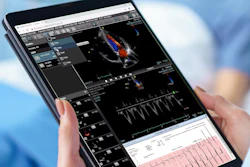
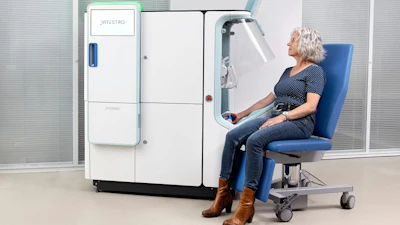
The Aletta ARPD is designed to autonomously perform diagnostic blood collection. The system combines multimodal imaging, advanced robotics, and artificial intelligence to identify suitable veins, guide needle insertion, and collect blood samples with high precision and consistency. Aletta is intended to support phlebotomy departments by performing routine diagnostic blood draws, helping address staffing challenges, reduce human-dependent variability, standardize quality, enhance the overall patient experience, and enable greater operational predictability and scalability in high-volume outpatient care settings.