ExpressPath, a new licensing model for Harvard engineering, medical device, and software technologies, is helping academic innovators turn promising ideas into real-world products faster and more efficiently.
Harvard launched ExpressPath to minimize the friction in the licensing process across three technology pathways: Engineering & Technology, Medical Device, and Software. The initiative offers market-rate financial terms benchmarked against a wide range of peer universities, along with a simplified license agreement. Researchers can review the terms and license agreement on the Harvard Office of Technology Development (OTD) website, giving startup teams and investors greater transparency and predictability from the outset.
The initiative is part of a larger strategy to streamline the process from lab discovery to commercial products and services. In the coming months, OTD will also launch initiatives designed to make it easier and clearer for industry to fund research in Harvard labs.
“The ExpressPath model is one part of Harvard’s broader effort to make it easier for research discoveries to move beyond the laboratory and into the world,” said Harvard’s Senior Vice Provost for Research John Shaw. “By reducing uncertainty and creating a clear path to commercialization, we can help researchers, founders, and investors move promising innovations forward more effectively and at a faster pace.”
To get started, researchers can review the three ExpressPath licensing tracks, including eligibility and license terms, on the OTD website. Teams interested in pursuing an ExpressPath license work with the OTD team to determine which pathway is the best fit. Once eligibility and fit are confirmed, OTD and the team can move quickly to execute an ExpressPath license, eliminating the typical negotiation phase that can delay the commercialization journey.
“We want the licensing process to move faster so startup teams can focus on the hard work of commercializing early-stage technology and building a company,” says Sam Liss, OTD’s chief technology development officer and associate provost. “Based on my discussions with faculty, researchers, and investors, it’s clear that the ExpressPath model will greatly simplify and streamline licensing.”
The ExpressPath program includes specific pathways for three technology areas:
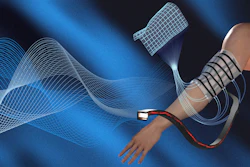
- Engineering and technology, which includes instruments, quantum technologies, advanced materials, coatings, hardware, electronics, AI algorithms, robotics, energy, environmental technologies, and other physical science innovations;
- Software, which offers two tracks depending on the needs of the startup team; and
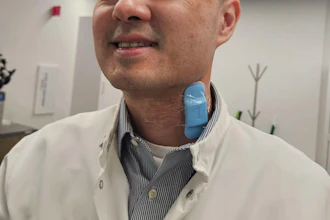
- Medical devices, which includes devices used in healthcare — excluding traditional therapeutics and biologics.
To develop the program, OTD reviewed hundreds of technology licenses at other universities across the U.S. OTD also consulted with a variety of external stakeholders including MassVentures, a venture capital firm and economic development agency for the Commonwealth of Massachusetts that funds early-stage technology startups, as well as other investors and entrepreneurs to ensure the terms met fair market benchmarks.
Offering pre-defined, benchmarked financial terms and a simplified licensing agreement at the start of the process can shrink negotiations that can take more than six months and involve tens of thousands of dollars in legal fees, into a matter of weeks, if not less time. “Simply put, ExpressPath removes the haggling,” says Liss. “It's really a different paradigm for how licensing will be done at Harvard for eligible startups.” The process will also be much more consistent for entrepreneurs and investors, as the terms will be pre-set for eligible companies, rather than negotiated on a case-by-case basis.
Licensing processes represent a “big bottleneck” for funders and entrepreneurs, says Russ Wilcox, an investor and entrepreneur who has gone through the process about half a dozen times. It can create a chicken-and-egg problem for would-be companies — funders generally want proof of license before investing in a startup, while a startup needs funds to undertake the licensing process.
“I think ExpressPath will have benefits for everybody" who needs to pursue licensing, Wilcox says, saving both time and money, and providing investor confidence in the licensing process. He expects the program’s ease could allow more startups to grow from university labs because VCs will see fewer potential barriers to licensing intellectual property from them.
“Anything that makes it more likely that a great company can get going faster, using less capital to get started, is a good thing for innovation,” says Katie Rae, CEO and Managing Partner at Engine Ventures, who has served on several OTD entrepreneurship committees.
After licensing, “the real work” begins, according to Rae: “Then you have to go make a company out of it.” By lowering the barriers that come before, she says, “Harvard is listening and investing in the translation phase of innovation — it is fundamental to the economy.”