Kalogon, a company specializing in smart seating solutions, today announced it has raised $5.75 million in funding to accelerate further global expansion of its seating products that reduce the stresses of sitting. The company said its products serve anyone who sits for extended periods across a range of markets, including healthcare, aviation and beyond.
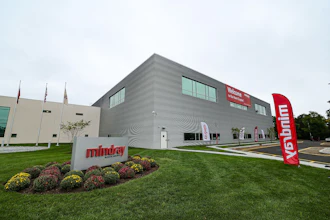
The funding comes after a year in which the company said it tripled its medical revenue and moved into a dedicated manufacturing facility in Melbourne, Florida. Kalogon will use the capital to hire across engineering, research and business development, expand the number of products offered internationally, and invest in the intelligence that its suite of deployed smart cushions makes possible.
“Disability is not a niche market, it’s an inevitable part of the human experience, like being seated, yet there is still so much we don't know about the effects of sitting,” said Regina “Gina” Kline, founder and managing partner of Enable Ventures. “People want products that are intuitively designed and fit seamlessly into their lives. Kalogon's empathy-driven design process, rooted in data, is exactly what this market needs, and every cushion they put into the world teaches them something new about how people sit. That knowledge compounds, and what they're building for wheelchair users today will become the standard for seating for everyone tomorrow.”
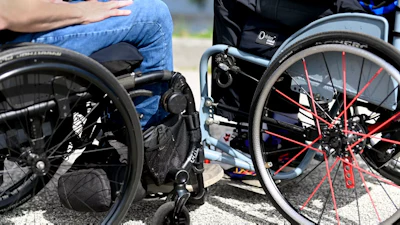
Founded in 2019 by engineers from SpaceX, Kalogon said it set out to solve one of the most overlooked health crises for wheelchair users: pressure injuries, which it said claim more lives each year than nearly any form of cancer and cost the healthcare system an estimated $20 billion annually. Its first product was Orbiter, a smart wheelchair cushion designed to improve blood flow and comfort. Since then, Kalogon has expanded into a full seating system, adding custom Medicare-coded products that address postural support alongside pressure management. That same technology is in pilot testing to relieve fatigue and pain for U.S. Air Force aircrew on B-52 and E-4B long-duration missions, with commercial aviation and automotive partnerships in development.
“People who use wheelchairs face real health consequences from sitting, but the stresses of sitting don't stop there,” said Tim Balz, founder and CEO of Kalogon. “When you solve for the people with the greatest need, you end up solving it for everyone. Our work with the U.S. Air Force showed us that the same technologies that help wheelchair users can help a B-52 pilot endure a 30-hour mission at peak performance. Improving seating has applications everywhere, and this investment lets us chase the full scope of that opportunity.”