Epitel, a provider of AI-driven wireless brain health technologies, announced the closing of a $26 million Series B financing co-led by Catalyst Health Ventures and Genoa Ventures, with participation from new and existing investors.
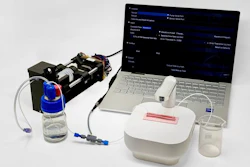
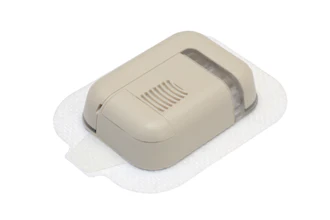
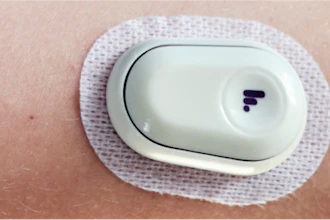
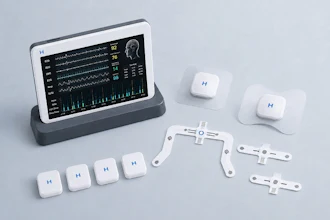
The funding will support the continued market expansion of the company’s REMI® Remote EEG Monitoring System, allowing extended duration wireless EEG monitoring integrated with AI-driven event detection to improve access to neurological care.
Epitel is initially focused on seizure detection and diagnosis. Traditional EEG typically can only be used to monitor patients for up to three days (72 hours); however, seizures are rare, unpredictable events that may occur days or weeks apart. This means that achieving a proper diagnosis can take months or longer.
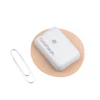
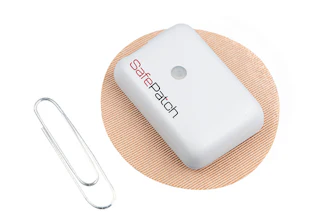
Epitel is addressing these challenges through the REMI portfolio, which has received five FDA 510(k) clearances across its wireless EEG monitoring and AI-driven event detection technologies. Using wireless, wearable sensors, the REMI Remote EEG Monitoring System enables monitoring of brain activity at home during everyday activities for several weeks, extending access to neurological care beyond traditional hospital or tethered settings. REMI Vigilenz AI For Event Detection analyzes REMI EEG to flag potential seizures, helping clinicians efficiently review extended-duration recordings and accelerate diagnosis by capturing objective evidence. The platform is cleared for neurological monitoring in patients as young as one year old, with AI-assisted event detection available for patients aged six and older, supporting Epitel’s goal of accessible EEG monitoring across all age groups.
The Series B capital will specifically fund the following initiatives:
- Commercial Infrastructure Expansion: Scaling the sales, marketing, and customer experience teams to accelerate adoption and access.
- Provider Adoption: Streamlining distribution and deployment models to help clinical teams integrate REMI smoothly into existing workflows.
- Ambulatory Market Access Growth: With FDA clearance now extending to patients as young as one year of age, REMI brings the same long-term seizure monitoring previously available only in specialized centers to the youngest and most vulnerable patients.