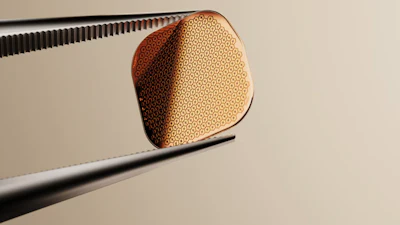
Science Corp raised $400 million to expand PRIMA, a brain-computer interface implant that restores partial vision for patients blinded by macular degeneration, with plans to launch in the United States while scaling across Europe.
- Science Corp secured $400 million in funding, bringing total capital raised since 2021 to over $900 million
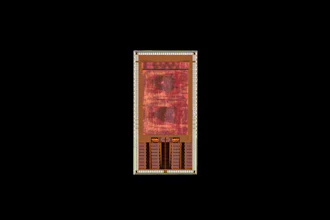
- PRIMA is a subretinal photovoltaic implant paired with specialized glasses that projects near-infrared light converted to electrical signals
- The implant enables patients to read letters, numbers, and words and includes a zoom-in feature for magnification
- PRIMA received CE mark approval in Europe and is pursuing FDA approval through the Humanitarian Device Exemption pathway in the US
- Company plans to expand manufacturing, research infrastructure, and invest in biohybrid neural interfaces that integrate engineered neurons with the brain
Medtech startup Science said has raised a $400 million, which brings the total capital raised since its founding in 2021 to more than $900 million.
This round comes a few months after the European commercial launch of PRIMA, one of the first brain-computer interface platforms to be CE marked to restore form vision—the ability to read letters, numbers and words—for patients blinded by certain types of late-stage macular degeneration.
The company said it will use the new capital to accelerate PRIMA’s availability across Europe and to prepare for its launch in the United States, where it's currently pursuing FDA approval through the Humanitarian Device Exemption pathway.
"We’ll also expand our research, manufacturing and operational infrastructure, and make substantial further investments in our biohybrid program, a neural interface that integrates engineered neurons with the brain’s own circuits," the company said in a statement.
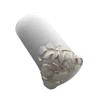
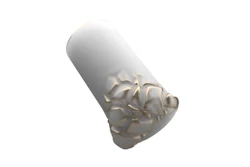
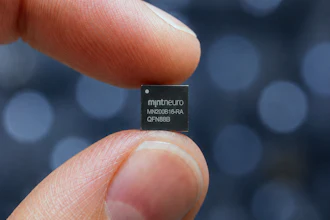
The PRIMA BCI system is a novel subretinal photovoltaic implant paired with specialized glasses. The glasses project near-infrared light to the implant which converts it into electrical stimulation signals. A “zoom-in” feature provides patients with the ability to magnify letters. The implant has an ultra-thin profile and seamless, wireless integration.
 Science Corporation