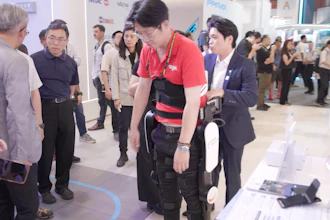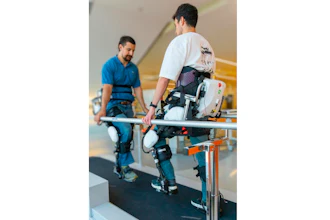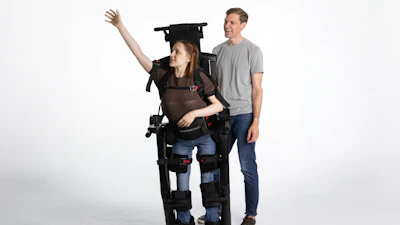
Wandercraft recently announced the U.S. commercial launch of Eve, what it's calling the world’s first FDA-cleared self-balancing personal exoskeleton.
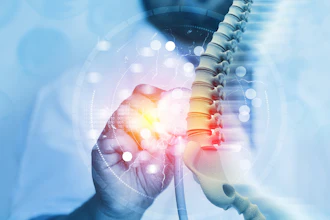
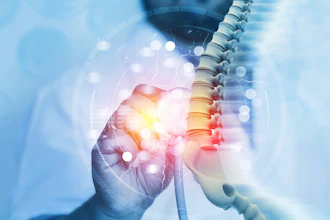
The device is designed to make hands-free upright mobility available to eligible wheelchair users living with spinal cord injuries at any level, who can manually operate the device’s controller.
The company said eligible individuals can now begin the process of obtaining Eve, starting with a clinical evaluation and trial. After a successful trial and a physician's order, Eve is individually fitted and manufactured. Each user then completes a personalized training program with the Wandercraft team before delivery, with ongoing support afterward.
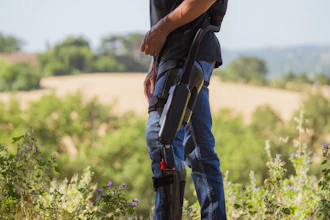
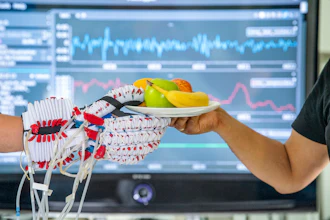
Unlike exoskeletons that require crutches or a walker for balance, Eve uses self-balancing technology powered by physical AI, allowing users to stand and move upright while keeping their hands free to reach, carry objects, prepare food, open doors, and participate in other activities of daily living. Eve is designed to complement, not replace, a wheelchair, offering another mobility option for moments when users choose to be upright.
Eve is the first FDA-cleared device in this category without restrictions based on the neurological level of spinal cord injury. Instead, eligibility extends to adults with spinal cord injuries at any level who can safely operate the controller and have no contraindications listed in the User Manual. This expands the potential user population compared with previously cleared exoskeletons and reflects the breadth of the safety data, clinical evidence, and usability testing Wandercraft developed to support its FDA submission.
“FDA clearance showed that Eve was ready to move forward. Today is about making it a reality for the people we built it for,” said Wandercraft CEO Matthieu Masselin in a statement. “We have spent years developing the robotics, but our breakthroughs only matter when we’re able to better connect people to the world around them. That’s why we built an infrastructure that supports people every step of the way, from evaluation and fitting to reimbursement, training, and ongoing service.”