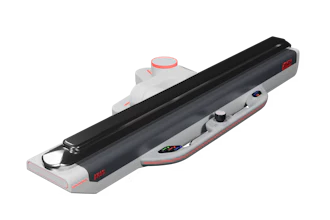
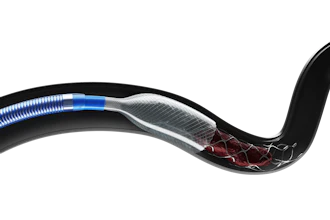
XCath Robotics, a medical device company advancing endovascular surgical robotics, said the FDA has granted Breakthrough Device Designation to its Iris Surgical Robotic System for remote robotic-assisted mechanical thrombectomy in patients with acute ischemic stroke.
For XCath, the designation provides increased opportunities to interact with FDA experts and receive support during the regulatory development and review process as the company advances the Iris System.
The designation follows XCath’s March 2026 achievement: the world’s first remote telerobotic mechanical thrombectomy in a living patient. During a clinical investigation known as Operation Robo Angel, renowned neurosurgeon Dr. Vitor Mendes Pereira, operated the Iris System from a control station in Santiago, Panama, to treat a patient more than 120 miles away at The Panama Clinic in Panama City.
By enabling specialist physicians to operate on patients remotely, the Iris System could open the door to breaking down the geographic barriers to specialist stroke care. Mechanical thrombectomy is widely regarded as the gold standard treatment for patients suffering a large vessel occlusion (LVO) stroke – the deadliest and most disabling type of ischemic stroke. However, access to the procedure remains unequal.
“FDA Breakthrough Device Designation is an important milestone for our mission,” said XCath CEO Eduardo Fonseca in a statement. “We look forward to continued collaboration with the FDA as we advance the development and evaluation of the Iris System. The real-world learnings from our investigational cases are helping us shape the system to expand access to life-saving stroke care for the millions of patients we ultimately hope to serve.”